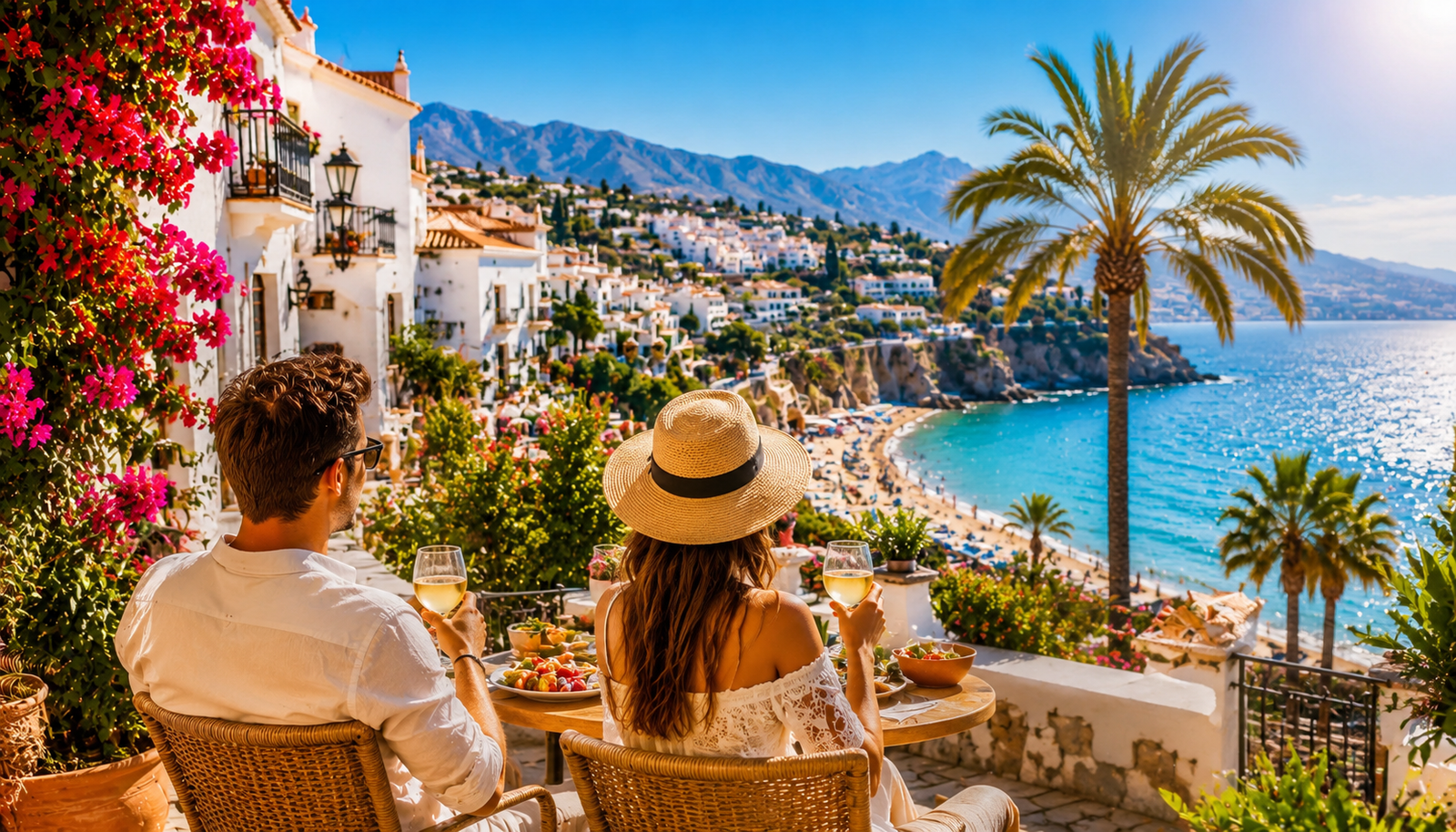
Best Places to Live in Spain for Expats
Choosing where to live in Spain is not only about finding sunshine. It is about matching the right place with your income, family situation, climate preference, work style, school needs, healthcare access, language level and long-term plans.
Spain is one country, but daily life changes dramatically between Madrid, Barcelona, Valencia, Málaga, Marbella, Alicante, Seville, Bilbao, Palma, Granada and the Canary Islands. A city that is perfect for a remote worker may not be ideal for a retired couple. A place that feels exciting for a young professional may be too noisy or expensive for a family with children.
After living in Spain for around ten years, including time in Valencia and on the Costa del Sol, working in Torremolinos, becoming self-employed and raising three children here, I would never recommend choosing a place only because it looks beautiful online. You need to understand the real rhythm: weather, traffic, schools, healthcare, housing, parking, local culture, airport access, social life and how the area feels in winter, summer and school season.
Before choosing a region, it also helps to understand what daily life in Spain is really like, because the lifestyle is not the same everywhere.
Best overall choices: Valencia for balance, Málaga and the Costa del Sol for climate and outdoor living, Madrid for jobs, Barcelona for culture and international business, Alicante for affordability, and the Canary Islands for year-round mild weather.
How to Choose the Best Place to Live in Spain
Watch: Top 10 Best Places to Live in Spain in 2026
This video gives a quick visual comparison of the best places to live in Spain for expats, retirees and digital nomads before you compare the cities in detail below.
The best place to live in Spain is not the same for everyone. A family with school-age children should think differently from a retiree. A remote worker should think differently from someone looking for a local job. A person who wants quiet village life should not choose the same area as someone who wants nightlife, airports and international networking.
Spain has large cities, Mediterranean coastal towns, Atlantic regions, mountain villages, islands, golf areas, university cities and traditional inland towns. The official tourism website Spain.info is useful for understanding Spain’s variety of cities, beaches, culture, food and natural spaces.
👨👩👧 Families
Look for schools, healthcare, sports facilities, safety, parking, supermarkets and year-round community.
💻 Remote Workers
Prioritise internet, cafés, coworking, airport access, lifestyle and a community that is active outside summer.
🧘 Retirees
Focus on healthcare, walkability, climate, public transport, social life, safety and winter comfort.
Spain’s Regions Feel Very Different
Spain is highly regional. Andalusia, Valencia, Catalonia, Madrid, Galicia, the Basque Country, the Balearic Islands and the Canary Islands have different climates, languages, food, housing markets and daily habits.
This matters for expats because the same budget can create completely different lifestyles. A budget that feels tight in central Barcelona may feel comfortable in a smaller inland city. A family that needs international schools may prefer Málaga, Marbella, Madrid, Barcelona, Valencia or Alicante. A retiree who wants mild winters may prefer the Costa del Sol, Costa Blanca or Canary Islands.
The Spanish statistical office INE is useful for checking population and demographic trends, while AEMET is the official source for Spanish weather and climate information.
Best Places to Live in Spain: Quick Comparison
| Place | Best For | Main Advantages | Main Caution |
|---|---|---|---|
| Madrid | Jobs, business, culture, transport | Capital city, strong economy, international schools, excellent transport | Hot summers, higher costs, busy lifestyle |
| Barcelona | Culture, tech, business, city-beach lifestyle | International, creative, coastal, strong services | Expensive housing, tourism pressure, local language considerations |
| Valencia | Families, remote workers, balanced lifestyle | Beach, city, parks, food, lower stress than Madrid or Barcelona | Summer humidity, rising popularity, some areas expensive |
| Málaga | Remote workers, families, airport access, lifestyle | Climate, culture, airport, beach, tech growth, Costa del Sol access | Housing demand rising quickly |
| Costa del Sol | Retirees, families, second-home buyers, outdoor lifestyle | Sea, mountains, golf, schools, healthcare, international community | Summer traffic, higher prices in prime areas |
| Alicante | Affordable coastal life, retirees, expats | Good climate, airport, beaches, lower costs than many premium areas | Some areas feel seasonal or tourist-heavy |
| Seville | Culture, history, food, Andalusian lifestyle | Beautiful city, strong traditions, lower costs than Madrid/Barcelona | Very hot summers and no beach |
| Bilbao | Green Spain, food, business, cooler weather | Strong economy, culture, safety, nature nearby | Rainier climate and higher cost than many expect |
| Canary Islands | Year-round mild weather, remote work, retirement | Excellent climate, relaxed rhythm, nature, tax advantages in some cases | Island logistics and distance from mainland Europe |
Madrid: Best for Jobs, Business and Big-City Life
Madrid is Spain’s capital and one of the best places to live in Spain if your priority is work, business, education, transport and big-city energy. It is not a beach lifestyle destination, but it offers strong career opportunities, excellent public transport, major universities, international schools, museums, restaurants and direct connections across Spain and Europe.
Madrid is especially suitable for professionals, entrepreneurs, students, corporate workers and families who want the services of a major European capital. It is also well connected by high-speed rail, which makes it practical for travel to Valencia, Barcelona, Seville, Málaga and other cities.
Daily life in Madrid
Daily life in Madrid is faster than in many parts of Spain. People work hard, commute, eat late and enjoy a strong social life. The city is full of parks, cafés, cultural events, museums and neighbourhoods with very different personalities.
The main downside is summer heat and cost. July and August can be very hot, and housing in good areas can be expensive. Families also need to think carefully about school location, commute time and whether they want central city life or a quieter suburb.
Madrid Pros
- Best city in Spain for many professional careers.
- Excellent national and international transport.
- Strong cultural life, museums and restaurants.
- Good choice of international schools.
- Very active year-round city.
Madrid Cons
- No beach.
- Hot summers and cold winters.
- Higher housing costs in good areas.
- More stressful than coastal Spain.
- Traffic and commuting can be tiring.
Barcelona: Best for Culture, Business and City-Beach Lifestyle
Barcelona is one of the most international cities in Spain. It combines beach access, architecture, restaurants, business, technology, universities, design, culture and strong international visibility.
It is attractive for entrepreneurs, tech workers, creatives, students, professionals and expats who want a city with sea access. It also has a strong airport and international community.
Daily life in Barcelona
Barcelona can offer an exciting lifestyle, but it is not always easy. Housing can be expensive, tourism pressure is real, and local politics and language identity matter. Catalan is part of daily life, and although Spanish is widely used, families staying long-term should understand the local language situation.
Barcelona is excellent if you want culture, networking, restaurants, business and walkable urban life. It is less ideal if you want quiet, low-cost living or a very relaxed family routine.
Valencia: Best Balanced City for Families and Remote Workers
Valencia is one of the best places to live in Spain for expats who want a balance between city life, beach, food, parks, transport and a more relaxed rhythm than Madrid or Barcelona.
I lived in Valencia before moving to the Costa del Sol, and it is one of the easiest Spanish cities to understand as a foreigner. It has a real city centre, beaches, the Turia Park, good public transport, universities, hospitals, family areas and strong food culture.
Valencia is especially good for families, remote workers, students, digital professionals and people who want Mediterranean life without the intensity of Barcelona.
Daily life in Valencia
Daily life in Valencia can feel practical and enjoyable. You can cycle, walk, visit the beach, use public transport, enjoy local markets and live in neighbourhoods that feel residential rather than only tourist-focused.
The city is becoming more popular, so prices in attractive areas have increased. Summer can be humid, and some beach areas feel different from the historic centre or family neighbourhoods.
Best fit: Valencia is one of the strongest all-round choices for expats who want Mediterranean weather, city services, beach access, parks and a more balanced cost of living than Madrid or Barcelona.
Málaga: Best for Remote Workers, Airport Access and Coastal Lifestyle
Málaga has changed dramatically in recent years. It is no longer only a gateway to the Costa del Sol. It has become a serious lifestyle city with museums, restaurants, a historic centre, beach access, a growing technology scene, good transport links and one of Spain’s most useful airports for international residents.
Málaga is attractive for remote workers, families, entrepreneurs, retirees and international buyers who want a city lifestyle without losing access to beaches, mountains and coastal towns.
The official tourism portal includes Málaga among Spain’s important city destinations, and the city’s appeal is easy to understand once you spend time there outside the airport and beach areas.
Daily life in Málaga
Daily life in Málaga is active and social. The city has a strong café culture, beach promenades, shopping, museums, local markets, restaurants and excellent access to the wider Costa del Sol.
The main caution is housing demand. Málaga has become very popular, and good apartments in central or well-connected areas are no longer cheap. Traffic and parking can also be difficult depending on the neighbourhood.
Costa del Sol: Best for Families, Retirees and Outdoor Living
The Costa del Sol is one of the best places to live in Spain for expats who want sunshine, sea views, international schools, golf, healthcare, airport access, sports facilities and a large foreign community.
This region includes towns such as Málaga, Torremolinos, Benalmádena, Fuengirola, Mijas, Marbella, Estepona, Casares and Manilva. Each town has a different personality, and choosing correctly is extremely important.
The type of residential environment is another important factor when choosing where to live. Many people moving to popular coastal areas are attracted by modern developments in Spain with swimming pools, gyms, coworking spaces, landscaped gardens and other facilities designed around a more convenient lifestyle.
The official Spain tourism website describes the Costa del Sol as one of Spain’s major coastal destinations, but living here full-time is different from visiting on holiday.
Benalmádena
Benalmádena is practical for families and expats because it offers coastal life, schools, sports areas, train access, marina life, parks, beaches and proximity to Málaga Airport. It is not as luxury-focused as Marbella, but it is very liveable.
Fuengirola
Fuengirola is popular with international residents because it is walkable, has a long promenade, train connection, restaurants, shops and a strong foreign community. It is practical, busy and active all year.
Marbella
Marbella is best for luxury lifestyle, international schools, golf, premium restaurants, beach clubs, high-end property and established expat communities. It is beautiful and international, but also more expensive.
Estepona
Estepona has become one of the most attractive towns on the Costa del Sol for families, retirees and property buyers. It offers a more relaxed atmosphere than Marbella, a beautiful old town, beaches, new developments and strong lifestyle appeal.
Mijas
Mijas offers several lifestyles in one municipality: village life in Mijas Pueblo, coastal life in Mijas Costa, golf areas and residential urbanisations. It can be excellent for people who want space, views and a quieter routine.
🌊 Sea
Beach promenades, water sports, coastal cafés and year-round walking routes are part of daily life.
⛰ Mountains
The mountains behind the coast create views, hiking routes and a strong sense of landscape.
✈️ Airport
Málaga Airport is one of the biggest lifestyle advantages for international families and retirees.
Alicante and Costa Blanca: Best for Affordable Coastal Living
Alicante and the Costa Blanca are popular with expats because they offer good weather, beaches, airport access, international communities and usually more affordable housing than the most expensive parts of the Costa del Sol or Barcelona.
Alicante city itself offers a practical mix of beach, city services, transport, restaurants and local life. Nearby areas such as Torrevieja, Benidorm, Altea, Jávea, Denia and Villajoyosa attract different types of foreign residents.
Who should consider Alicante?
Alicante is a good choice for retirees, budget-conscious expats, remote workers and people who want Mediterranean life without paying Marbella or Barcelona prices. However, some areas can feel seasonal or very expat-heavy, so it is important to visit in winter as well as summer.
Seville: Best for Culture, History and Andalusian Identity
Seville is one of Spain’s most beautiful and culturally rich cities. It is ideal for people who love history, food, architecture, flamenco, festivals and traditional Andalusian life.
The lifestyle is social and atmospheric. Streets, plazas, tapas bars and local traditions are central to daily life. Seville can offer a more authentic Spanish experience than some coastal expat zones.
The main problem: heat
The main caution is summer. Seville can be extremely hot in July and August. For retirees, families with small children or people sensitive to heat, this is a serious factor.
Seville is also not on the beach. If you want daily sea views and coastal walks, Málaga, Valencia, Alicante or the Costa del Sol may be better.
Granada: Best for Students, Culture and Mountain Views
Granada is one of Spain’s most atmospheric cities. It has the Alhambra, a major university, mountain views, tapas culture and access to Sierra Nevada.
It is attractive for students, culture lovers, remote workers and people who want a smaller city with strong identity and lower costs than Madrid or Barcelona.
Daily life in Granada
Granada feels more compact and traditional than Spain’s largest cities. It has beautiful neighbourhoods, strong student life and access to nature. Winters can be colder than foreigners expect, and summers can be hot, but the city offers a very special lifestyle.
Bilbao and Northern Spain: Best for Green Landscapes and Cooler Weather
Bilbao, San Sebastián, Santander, Oviedo, Gijón and A Coruña offer a very different Spain. This is Green Spain: cooler, wetter, greener and more Atlantic.
Bilbao is strong for business, food, culture and urban quality. San Sebastián is beautiful and famous for gastronomy, but expensive. Asturias, Cantabria and Galicia offer nature, coast, mountains and a slower rhythm.
Who should choose northern Spain?
Northern Spain is best for people who do not want extreme summer heat, enjoy green landscapes, like cooler weather and prefer a less tourist-heavy lifestyle than the Mediterranean coast.
The downside is rain. If your dream of Spain is sunshine almost every day, northern Spain may not match your expectations.
Canary Islands: Best for Year-Round Mild Weather
The Canary Islands are one of the best places to live in Spain for people who want mild weather throughout the year. Tenerife, Gran Canaria, Lanzarote and Fuerteventura are especially popular with remote workers, retirees and international residents.
The lifestyle is relaxed, outdoor and island-based. Nature is dramatic, with beaches, volcanoes, mountains and Atlantic landscapes.
Main caution
Island life is not for everyone. Flights, logistics, family visits, imported goods and healthcare access on smaller islands can be different from mainland Spain. Before moving permanently, spend at least a few weeks there outside peak holiday season.
Balearic Islands: Best for Island Lifestyle and Premium Living
Mallorca, Ibiza, Menorca and Formentera offer some of Spain’s most beautiful island lifestyles. Mallorca is the most practical for long-term living because it has Palma, an international airport, schools, healthcare and a large foreign community.
The Balearic Islands are beautiful but can be expensive. Housing is one of the biggest challenges, especially in desirable areas.
Best Places in Spain for Families
Families should choose based on schools, safety, healthcare, sports, transport and community. A beautiful place is not enough if daily logistics are difficult.
| Best Family Areas | Why Families Like Them | What to Check First |
|---|---|---|
| Valencia | Parks, beach, schools, transport and balanced city life. | School location, rental prices and neighbourhood choice. |
| Benalmádena / Fuengirola | Coastal lifestyle, schools, sports, train access and family facilities. | Summer traffic, parking and distance to school. |
| Marbella / Estepona | International schools, sports, healthcare, beaches and premium lifestyle. | Higher property prices and car dependency. |
| Madrid Suburbs | Education, jobs, international schools and transport. | Commute time and summer heat. |
| Alicante Area | Good climate, airport, lower costs and international residents. | Seasonality and school options. |
Families should also read the moving to Spain guide before deciding, because paperwork, schools, healthcare and housing must be planned early.
Best Places in Spain for Retirees
Retirees usually prioritise healthcare, climate, safety, walkability, airport access, social life and reasonable living costs.
The Costa del Sol, Costa Blanca, Valencia region, Canary Islands and some parts of Mallorca are among the strongest choices. Inland towns can offer lower costs but may require stronger Spanish and more independence.
For a deeper retirement view, read our article about retiring in Spain.
Best Places in Spain for Remote Workers
Remote workers need more than sunshine. They need reliable internet, cafés, coworking spaces, airport access, rental options, year-round activity and a community of people who are not only on holiday.
💻 Málaga
Strong lifestyle, airport access, beach, culture and growing remote-work community.
🚲 Valencia
Balanced city, cycling, beach, parks, food and more relaxed rhythm.
🌴 Canary Islands
Excellent climate, outdoor living and popular with digital nomads.
If remote work is your reason for relocating, compare lifestyle with the Spain work-life balance article to understand how daily rhythm changes.
Best Places in Spain for Americans
Americans moving to Spain often look for safety, healthcare, walkability, lifestyle, lower stress, culture and international airports.
Madrid and Barcelona are easiest for big-city services and international networking. Valencia and Málaga are strong for lifestyle and balance. The Costa del Sol and Costa Blanca are popular for retirement, family life and climate.
For a dedicated American perspective, read Living in Spain as an American.
Best Places in Spain by Lifestyle
| Lifestyle Goal | Best Places | Why |
|---|---|---|
| Best weather | Costa del Sol, Canary Islands, Costa Blanca | Mild winters, outdoor living and strong sunshine appeal. |
| Best jobs | Madrid, Barcelona, Valencia, Málaga | Larger economies, business networks and transport links. |
| Best for families | Valencia, Costa del Sol, Madrid suburbs, Alicante | Schools, healthcare, parks, sports and family infrastructure. |
| Best for retirees | Costa del Sol, Costa Blanca, Canary Islands, Mallorca | Climate, healthcare, airports and international communities. |
| Best for culture | Madrid, Barcelona, Seville, Granada, Bilbao | Museums, food, architecture, events and strong local identity. |
| Best value | Alicante, Granada, Murcia, inland Valencia, parts of Andalusia | Lower housing costs than Spain’s most expensive cities and resorts. |
Places to Be Careful With
Spain has many excellent places to live, but not every beautiful location is practical for expats. Some areas look attractive online but can be difficult for daily life.
Good Signs
- Year-round residents, not only tourists.
- Schools, healthcare and supermarkets nearby.
- Good internet and transport links.
- Safe streets and active community life.
- Reasonable access to an airport or train station.
Warning Signs
- Very cheap property with poor infrastructure.
- No public transport and difficult parking.
- Empty streets in winter.
- No nearby healthcare or schools.
- Too much dependence on tourism or short-term rentals.
For practical Spain lifestyle checks, guides and travel context, use SpainCheck.com as an additional resource before comparing destinations.
Cost of Living by Location
Cost of living changes heavily by region. Madrid, Barcelona, Marbella, Ibiza, Palma and prime coastal areas are expensive. Smaller cities, inland towns and less tourist-driven areas can be much more affordable.
Housing is usually the biggest factor. A family renting near an international school in Marbella has a different budget from a remote worker renting in Granada or a retired couple living near Alicante.
Before choosing a town, calculate your full monthly budget using our guide to the cost of living in Spain.
Weather: North, South, Coast and Inland
Weather should be one of your first filters. Spain’s climate is not the same everywhere.
The Mediterranean coast usually offers mild winters and hot summers. The north is greener, cooler and rainier. Central Spain has bigger temperature differences between summer and winter. The Canary Islands offer some of the most stable year-round weather.
Always check climate data and weather warnings through AEMET before choosing a location permanently.
Transport and Airport Access
Transport can make or break daily life in Spain. A beautiful home far from services can become frustrating if you need to drive everywhere.
Spain has strong national transport infrastructure, including airports, motorways and high-speed rail. The Ministry of Transport and Sustainable Mobility is the official source for national transport policy and infrastructure information.
For expats, airport access is especially important. Madrid, Barcelona, Málaga, Alicante, Valencia, Palma and the Canary Islands are practical for international travel.
My Practical Recommendation
If I had to simplify the choice, I would divide Spain like this:
Best Overall Balance
Valencia is one of the strongest choices for families, remote workers and lifestyle-focused expats.
Best Climate Lifestyle
Málaga and the Costa del Sol are hard to beat for weather, outdoor life and international services.
Best Career City
Madrid is usually the strongest choice for jobs, business and professional development.
Best Creative City
Barcelona is excellent for culture, business, networking and international energy.
Best Value Coast
Alicante and parts of the Costa Blanca offer strong coastal lifestyle at more realistic prices.
Best Alternative Spain
Bilbao, Asturias, Galicia and northern Spain are ideal for people who prefer green landscapes and cooler weather.
Frequently Asked Questions
What is the best place to live in Spain for expats?
Valencia is one of the best all-round choices because it offers beach access, city services, parks, food culture, transport and a more relaxed lifestyle than Madrid or Barcelona. Málaga and the Costa del Sol are excellent for climate and international living.
Where do most expats live in Spain?
Many expats live in Madrid, Barcelona, Valencia, Málaga, Alicante, the Costa del Sol, the Costa Blanca, the Balearic Islands and the Canary Islands. Coastal areas are especially popular with retirees and lifestyle movers.
Is Madrid or Barcelona better for expats?
Madrid is usually better for jobs, business, transport and Spanish integration. Barcelona is better for city-beach lifestyle, creativity, international networking and culture. Both are expensive compared with many other Spanish cities.
Is Costa del Sol a good place to live?
Yes, the Costa del Sol is one of the best places in Spain for climate, outdoor living, international schools, golf, healthcare, airport access and expat communities. The main downsides are summer traffic and higher property prices in prime areas.
What is the cheapest good place to live in Spain?
Alicante, Murcia, Granada and some inland towns can offer better value than Madrid, Barcelona, Marbella or the Balearic Islands. However, cheap is not always best. Check healthcare, transport, schools and year-round life before deciding.
Where is the best place in Spain for families?
Valencia, Málaga, Benalmádena, Fuengirola, Marbella, Estepona, Madrid suburbs and Alicante are strong family choices depending on budget, school needs and climate preference.
Final Thoughts
The best place to live in Spain is the place that fits your real daily life, not only your holiday dream.
Madrid is powerful but intense. Barcelona is beautiful but expensive. Valencia is balanced and practical. Málaga is dynamic and sunny. The Costa del Sol is excellent for lifestyle, families and retirees. Alicante offers value. Seville gives culture. Bilbao and the north offer green Spain. The Canary Islands offer unique year-round weather.
Visit your preferred area in different seasons, test daily routes, check schools and healthcare, compare housing costs and speak with people who live there full-time. Spain can offer an excellent quality of life, but the right location makes all the difference.
💶 Compare Your Salary in Spain
Estimate your take-home pay and better understand how much of your gross salary you could receive after deductions.
🚨 Useful Emergency Contacts in Spain
Find emergency numbers and official resources for healthcare, police, taxes, traffic, property records and public services.
Continue Reading About Life in Spain
Choosing where to live is only one part of relocation. Continue with these related guides:
Useful Official Sources
- INE Spain — official population, demographic and economic statistics.
- AEMET — official Spanish weather forecasts, climate data and warnings.
- Spain.info — official tourism information about Spanish cities, culture, beaches, food and nature.
- Ministry of Transport and Sustainable Mobility — official transport and mobility information in Spain.
- SpainCheck.com — practical Spain lifestyle, travel and relocation guides.
This article is for general information only. Always check official sources or speak with a qualified professional before making legal, tax, visa, healthcare, employment or property decisions in Spain.